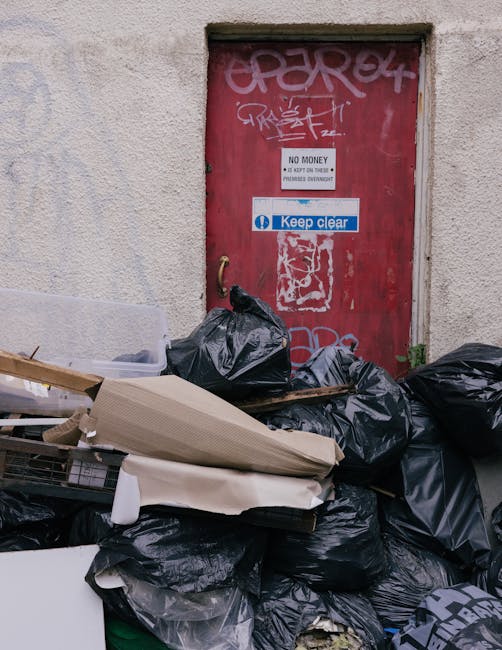
Common problems clearing rubbish from Kilburn maisonettes
If you live in a maisonette in Kilburn, rubbish clearance can feel oddly complicated for something that should be simple. One bag turns into three. A broken wardrobe suddenly blocks a narrow landing. The front steps are steep, the hallway is tight, and the neighbour's pushchair is parked exactly where you need to pass. That is the reality behind the phrase common problems clearing rubbish from Kilburn maisonettes.
This guide breaks down the most frequent issues people run into, why they happen, and what to do about them without turning a tidy-up into a full-blown headache. You will also find practical steps, common mistakes, and a realistic comparison of clearance options. If you are weighing up a bigger job, services such as flat clearance, home clearance, or waste removal may be relevant depending on the size and type of rubbish involved.
Let's face it: maisonettes are not built for easy bulk disposal. The good news is that with a bit of planning, you can clear waste safely, keep neighbours on side, and avoid the usual traps.
Why Common problems clearing rubbish from Kilburn maisonettes Matters
Clearing rubbish from a maisonette is not just about getting items out of the way. It affects safety, access, neighbour relations, time, and sometimes even compliance. A cluttered stairwell can become a trip hazard. A pile of old furniture in a shared entrance can annoy everyone in the building by lunchtime. And if there is a collection booked, missing the window because the items were not ready is frustrating in a very practical, real-world way.
Kilburn maisonettes often come with shared access points, compact staircases, limited kerb space, and a mix of residential and parked traffic that makes loading more awkward than people expect. On a wet London morning, with slippery steps and a heavy sofa, it gets even less fun. That is why understanding the common problems early saves effort later.
It also helps you decide whether the job is a simple one-off clear-out or something closer to a structured property clearance. If you are dealing with mixed household contents, damaged furniture, or accumulated waste after a move, a more complete option like house clearance may fit better than a basic rubbish run.
Practical takeaway: the main challenge in maisonette rubbish removal is rarely the rubbish itself. It is the access, coordination, and safe movement of items through a shared building.
How Common problems clearing rubbish from Kilburn maisonettes Works
In plain English, clearing rubbish from a maisonette usually follows the same broad process: sort the waste, identify what can be reused or recycled, move items out safely, and dispose of everything through the right route. Simple on paper. Slightly more awkward in a building with narrow stairs and shared hallways? Absolutely.
The first step is understanding what is actually being removed. Loose bagged waste behaves very differently from large items like mattresses, desks, wardrobes, or broken appliances. Bulky items need more space, more handling care, and often more than one person. Mixed loads also matter because different waste types may need different handling. That can affect the time, cost, and method used.
Here is the basic flow many people follow:
- Walk through the space and identify what needs to go.
- Separate reusable items, recyclable materials, and general rubbish.
- Check stairways, landings, door widths, and any shared access rules.
- Move items carefully, usually from top floor to ground level.
- Load items for disposal, recycling, or specialist handling if needed.
For furniture-heavy jobs, some people pair general clearance with furniture clearance or furniture disposal when the main issue is bulky items rather than general waste. That distinction matters more than it sounds. A bag of mixed rubbish and a dismantled wardrobe are not the same beast at all.
Key Benefits and Practical Advantages
When rubbish is cleared well from a Kilburn maisonette, the benefits are immediate. The space feels calmer. The stairs are usable again. The place is easier to clean. And you stop walking past that half-dead chair every morning thinking, "I'll deal with that later."
Some of the main practical advantages include:
- Better access to hallways, stairs, and shared entrances.
- Lower trip and fire risk from blocked walkways or stacked items.
- Less stress when the mess is cleared in one organised pass.
- Improved neighbour relations because shared spaces are kept tidy.
- More efficient recycling when items are sorted properly before removal.
There is also a psychological effect people often underestimate. A maisonette can feel smaller when waste piles up. Once the rubbish is gone, the property suddenly feels more breathable. A little less cramped, a little less noisy in the mind, if that makes sense.
If your rubbish includes items from renovations, repairs, or a DIY project, you may also need builders waste clearance. That is especially useful where the load includes rubble, timber offcuts, packaging, plasterboard, or general project debris rather than household clutter.
Who This Is For and When It Makes Sense
This topic matters to a lot of people, not just landlords or property managers. In fact, maisonette rubbish problems crop up in everyday life more often than many expect.
You might need help if you are:
- moving out and facing a sudden pile of unwanted furniture and bags
- clearing a rental property between tenants
- sorting a loft, cupboard, or under-stairs storage area that has become a magnet for odd items
- dealing with accumulated rubbish after decorating or repairs
- helping a relative downsize from a long-held maisonette
- running a small business from home and storing too much packaging, stock, or old equipment
Sometimes the decision is obvious. Other times, people keep trying to "manage" the rubbish in stages, only to find the pile has grown legs. If that sounds familiar, you are not alone. We all have that one corner where things quietly multiply.
If the job includes a loft, storage room, or awkward top-floor space, it may be worth looking at loft clearance or even a broader home clearance approach. The right option depends on whether you are clearing a single room or the whole property.
Step-by-Step Guidance
The safest way to deal with maisonette rubbish is to break it down into manageable stages. Rushing usually causes the problems that people later regret - scratched walls, strained backs, grumpy neighbours, the lot.
1. Do a proper walk-through
Start at the top and move room by room. Identify bulky items, fragile rubbish, bagged waste, and anything that may need to stay. Be honest here. If that old unit is still technically "useful" but has been leaning in the hallway for three years, it probably belongs in the clearance pile.
2. Separate the load before moving it
Put similar items together. Cardboard with cardboard. Soft furnishings with soft furnishings. Loose screws, batteries, or sharp bits should be handled separately. This reduces mess and makes loading quicker.
3. Check the route out
Measure mentally first. Does the item turn on the landing? Can it pass the banister? Is there enough room by the front door? In maisonettes, the issue is often not the weight but the angle. One awkward corner can wreck your whole plan.
4. Protect walls, floors, and doors
Use blankets, cardboard, or similar protective materials if you are moving items yourself. A quick scrape on a painted wall can turn a simple job into a repair job. And nobody wants that after 6 p.m. on a weekday.
5. Load and dispose responsibly
Once items are out, make sure they go to the correct destination. Reusable items can be separated. Recyclables should not be thrown in with general waste if avoidable. If you are unsure, a proper rubbish clearance service can help handle the sorting more cleanly.
6. Finish with a reset
Do a final sweep of the stairwell, landing, and any shared entrance area. Check for loose debris. A clean finish matters more than people think, especially in a building with other residents coming and going.
Expert Tips for Better Results
After many clear-outs, a few habits stand out. Not glamorous ones. Just the useful stuff that stops a job going sideways.
- Keep a "do not move" zone. Set aside items that are staying so nothing gets mixed by accident.
- Use smaller loads for narrow staircases. Two trips with safer handling is better than one heroic attempt. Heroic attempts end with swearing.
- Plan for parking and access early. In Kilburn, kerbside space can be tight and timing matters.
- Bag loose waste before lifting anything bulky. It speeds up the process and reduces spillages.
- Take pictures first if you are getting quotes. Visual detail helps avoid surprises later.
- Choose the right service type. A small pile of rubbish is not the same as a full flat clearance, and treating them as equal can waste time and money.
A little planning before the first lift often saves more effort than the actual clearance itself. That sounds obvious, but people skip it all the time.
One more thing: if the items are mainly old sofas, tables, or beds, the issue may be better solved by a targeted furniture service rather than a general sweep. Specificity helps.
Common Mistakes to Avoid
The most common problems clearing rubbish from Kilburn maisonettes usually come from avoidable mistakes. Nothing dramatic. Just small misjudgements that add up.
- Underestimating the access and discovering too late that a sofa will not turn properly.
- Mixing waste types so recyclable material ends up lost in the general pile.
- Leaving items in shared areas while waiting "for later," which can cause complaints.
- Ignoring sharp or heavy objects and handling them without enough protection.
- Starting without a plan and then trying to improvise on the stairs.
- Forgetting hidden waste in cupboards, lofts, or under beds.
One very common error is assuming that everything can go out in one go just because it looks manageable in the room. Then you reach the stairwell and reality turns up. It usually does.
If your clearance also includes garage storage or outdoor overflow, it may be worth reviewing garage clearance or even garden clearance if items have drifted outside over time. The same principle applies: identify the true scope before you lift a thing.
Tools, Resources and Recommendations
You do not need a van full of equipment for every job, but the right basics make a big difference. For smaller clear-outs, a few sensible tools are often enough. For larger or awkward jobs, professional support may be the safer choice.
Useful items can include:
- heavy-duty refuse sacks
- work gloves with a decent grip
- strong tape for securing boxes
- blankets or floor protection for tight hallways
- a sack truck or trolley for stable items
- torchlight for lofts, cupboards, or dim stairwells
For businesses or mixed-use maisonettes, a coordinated approach may be needed. That could include business waste removal if there is office stock, packaging, or work-related waste that should not be handled as ordinary household rubbish. Similarly, if items are office-based rather than domestic, office clearance may be more appropriate.
There is also value in choosing providers who explain pricing clearly, handle items carefully, and talk through what can and cannot be taken. A clear quote process matters because rubbish clearance is often more about volume, weight, access, and item type than people first assume. For that reason, a transparent pricing and quotes page can be a useful starting point before you commit.
Law, Compliance, Standards, or Best Practice
Waste removal in the UK comes with responsibilities, even for small residential jobs. You do not need to become a compliance expert overnight, but you should understand the basics. The main idea is simple: waste should be handled safely, transferred to appropriate facilities, and not dumped wherever it becomes convenient.
Best practice usually means:
- keeping shared access routes clear during the clearance
- avoiding blocked exits or stairways
- sorting hazardous or awkward materials carefully
- using sensible manual handling techniques
- making sure disposal follows accepted waste-handling expectations
If a job includes heavy lifting, sharp edges, broken glass, or poorly balanced items, safety becomes just as important as speed. In a maisonette, the risk multiplies because stairs and landings narrow the margin for error. Slow down a little. It is worth it.
It is also wise to check the provider's policies where relevant. Pages such as health and safety policy, insurance and safety, and recycling and sustainability can help build confidence that the work is being handled responsibly. If you want to understand the business itself before booking anything, about us is a sensible place to start.
Options, Methods, or Comparison Table
Different rubbish problems need different solutions. A small amount of bagged waste is one thing. A two-bedroom maisonette full of furniture and mixed clutter is another. The comparison below gives a practical view of the main options.
| Method | Best for | Pros | Watch-outs |
|---|---|---|---|
| DIY clearance | Small, light loads and a short stair route | Lower direct cost, full control | Time-consuming, lifting risk, access difficulties |
| Partial clearance | One room, storage space, or a handful of bulky items | Focused and usually quicker | Can be messy if sorting is poor |
| Flat clearance | Most or all of the contents of a maisonette | Good for larger moves or downsizing | Needs clear access planning |
| General waste removal | Mixed rubbish, bags, and non-bulky waste | Flexible and straightforward | Not always ideal for large furniture |
| Specialist furniture disposal | Sofas, beds, wardrobes, and similar items | Handles awkward large items efficiently | May need more prep if dismantling is required |
Choosing the right method is less about what sounds cheapest and more about what will actually work without three failed trips up the stairs. A good fit saves energy, time, and a fair bit of frustration.
Case Study or Real-World Example
Imagine a typical Kilburn maisonette with two floors, a narrow internal staircase, and a front entrance shared by other residents. The occupier has a broken chest of drawers, two bags of general rubbish, a mattress, and a few boxes of old books. Nothing unusual. Yet the job still gets awkward fast.
The mattress barely fits the turn on the landing. The boxes are heavier than they look because books are sneaky like that. The hallway is just wide enough for one person to pass if they go sideways. And there is a child's scooter near the entrance that nobody wants to kick by mistake.
What works best in that kind of situation?
- sort the small rubbish first so the route is cleaner
- move the books in manageable boxes, not one giant box that will split halfway down
- protect the wall corners
- take the mattress out last, with a clear path and two-person handling if needed
That approach turns what could have been a stressful afternoon into a controlled, boringly successful clear-out. And honestly, boring is good here. Boring means no damage, no drama, and no awkward apology to the neighbour in the ground-floor hallway.
Practical Checklist
Use this checklist before you start clearing rubbish from a Kilburn maisonette:
- Have I identified exactly what needs to go?
- Have I separated general rubbish from bulky furniture and recyclable items?
- Is the stairway, landing, and front entrance clear enough to use safely?
- Do I know whether any items need dismantling first?
- Have I arranged enough help for heavy or awkward items?
- Do I have gloves, sacks, and floor protection ready?
- Have I checked whether the job is better suited to flat clearance or waste removal?
- Do I need a quote based on volume, access, or item type?
- Have I considered where the items will go after removal?
- Is everything ready so the collection or clearance can happen in one smooth visit?
If you can tick most of those boxes, you are already ahead of the usual chaos. Small win, but a real one.
Conclusion
Clearing rubbish from a Kilburn maisonette is rarely difficult because of the rubbish alone. The real problems are access, planning, stairs, shared spaces, and the tendency for one small job to grow without warning. Once you understand those pressure points, the process becomes much easier to manage.
The smartest approach is to sort first, move carefully, choose the right clearance method, and keep safety front and centre. Whether you are dealing with a few bags, a set of unwanted furniture, or a full property clear-out, the right plan makes all the difference. And truth be told, that calm feeling when the last item is gone is pretty satisfying.
If you are comparing options or want a clearer idea of what the job will involve, take a look at contact us when you are ready to speak with someone about the next step.
Get a free quote today and see how much you can save.
Sometimes the neatest solution is simply getting the space back and letting the flat breathe again. That matters more than people think.
Frequently Asked Questions
What are the most common problems clearing rubbish from Kilburn maisonettes?
The main problems are narrow stairs, shared entrances, bulky furniture, limited parking, and the risk of blocking communal areas. Access is usually the hardest part, not the disposal itself.
Is it better to clear a maisonette rubbish load myself or use a service?
If the load is light and easy to carry, DIY may be fine. If there are bulky items, several floors, or shared access issues, a professional clearance is usually safer and less stressful.
How do I know if I need flat clearance rather than waste removal?
If you are removing most of the contents of the property, flat clearance is often the better fit. If it is mainly loose rubbish or a smaller mixed load, general waste removal may be enough.
What should I do with old furniture in a maisonette?
Large items like sofas, beds, wardrobes, and tables are usually easier to handle through a furniture-specific service. That avoids forcing awkward items down narrow stairs without the right preparation.
How can I reduce the risk of damage during clearance?
Protect walls and floors, take items out in manageable pieces where possible, and plan the route before lifting anything. Two careful trips are better than one rushed one.
Can rubbish be left in shared hallways while I wait for collection?
It is not a good idea. Shared hallways should stay clear for safety and neighbour access. Keep items in your own space until they are ready to move.
What if my rubbish is mixed with renovation debris?
Mixed loads often need a broader approach, and some jobs are better handled as builders waste clearance. That is especially true if the load includes offcuts, rubble, or project waste.
Do I need to dismantle furniture before clearing it from a maisonette?
Not always, but dismantling can make tight staircases much easier to manage. If an item is awkward to turn, breaking it down first is often the sensible move.
How do I get an accurate quote for a maisonette clearance?
Provide a clear description of the items, the number of floors, and any access issues. Photos help too. Pricing often depends on size, weight, and how easy it is to reach the property.
What happens to the rubbish after it is collected?
It should be sorted for reuse, recycling, or disposal according to the item type. Responsible providers will separate suitable materials rather than treating everything as the same waste stream.
Are there safety concerns with clearing rubbish upstairs?
Yes. Stairs, landings, and awkward turns increase the risk of trips and strain injuries. Gloves, good lifting technique, and clear routes matter a lot in maisonettes.
Who is this kind of service usually for?
It is useful for tenants, landlords, homeowners, families helping with downsizing, and anyone dealing with bulky or accumulated rubbish in a maisonette setting. In short: if the stairs are the problem, you are in the right place.
Where can I learn more about the company behind these services?
You can review the service approach and standards through pages such as about us, health and safety policy, and recycling and sustainability for a clearer picture of how the work is handled.